
Thinking critically about hate

“Hate speech” can range from offensive jokes to calls for mass murder so it is not always easy to identify it when we hear it.

Sometimes people mistakenly assume that speakers intend harm when they may simply be speaking from a lack of awareness.

On the other hand, it is also easy to overlook the cumulative effects that ignorant attitudes can have on those who are targeted. In fact, people may not realise how deeply ingrained attitudes can undermine the basic humanity of certain groups of people. While such speech may not appear ‘hateful’ at first, it nonetheless harms those it targets.

Hatred can be rooted in fear or ignorance but it can also be a consequence of prejudicial views, stereotypes, exclusionary beliefs, media misrepresentations, political manipulation or racist attitudes. Sometimes “hate speech” can dehumanise marginalised groups, potentially leading to violence against them.

The following concepts and examples can help us to think critically about the ideas we are exposed to in everyday life which might lead to inequality.
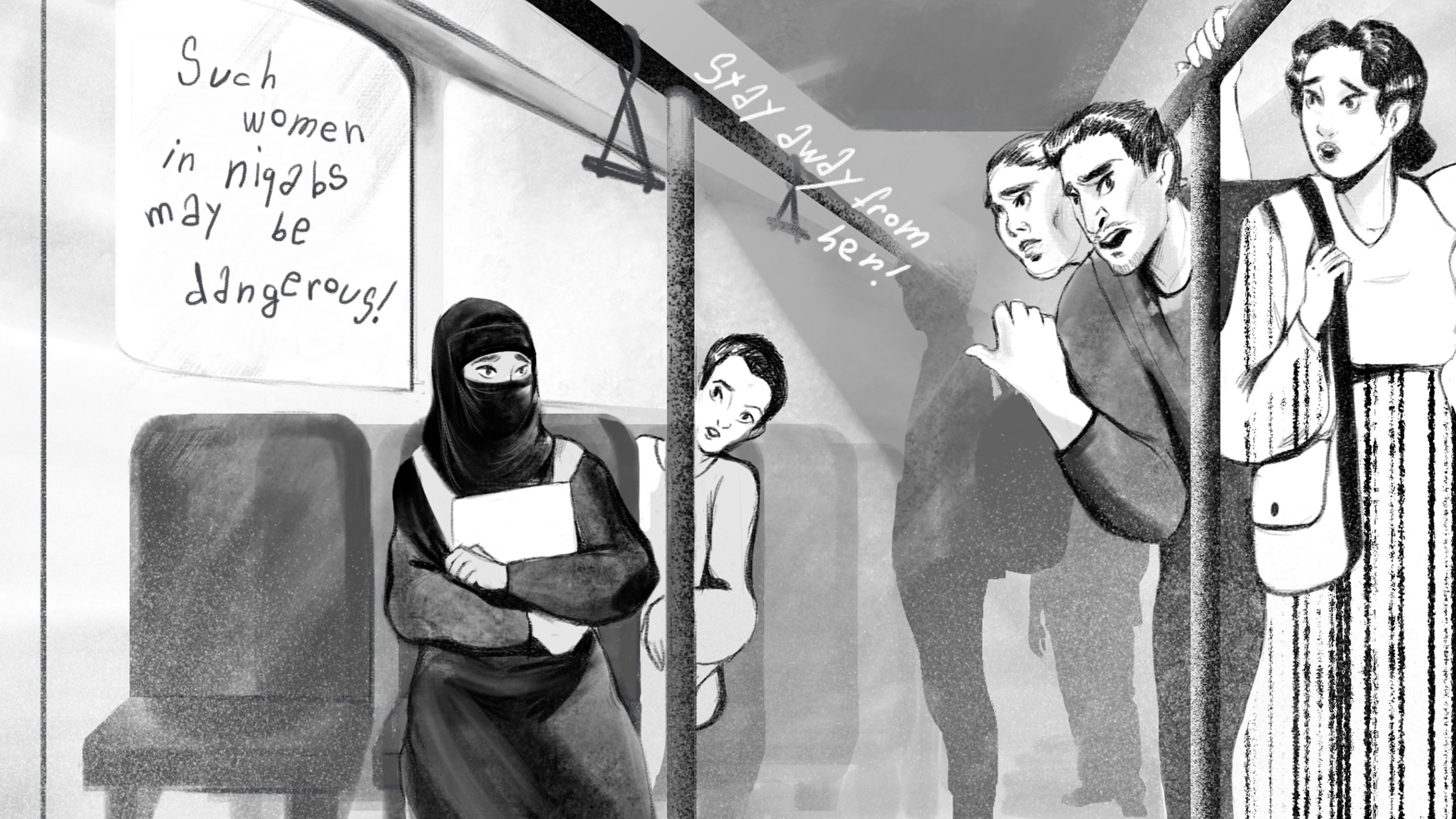
Unreasonable fear and contempt for women in niqabs are accompanied by insults and distancing. Illustration shows a young woman in niqab being insulted by other passengers in public transport. Credit: Alina Pechenkina

Prejudicial views

As well as manifesting itself as “hate speech”, prejudicial or racist views can manifest in discriminatory behaviour, such as treating someone differently because of where they are from, or discriminatory policies, such as confiscation of passports or limited access to public services.

  • Can you think of any prejudicial views?
  • How can these be challenged?


In Kyrgyzstan, it is much more difficult for women to climb the career ladder than it is for men. The difference between the salary of equally qualified women and men may sometimes reach up to several tens of percent. Credit: Alina Pechenkina

Discrimination

Discrimination often reflects the structures of power and dominance in society and contribute to the exclusion of entire groups. Discrimination can take many forms, including traditional sayings or practices. These contribute to negative and harmful views of particular groups in society, leading to their marginalistion.

  • What other discriminatory practices can you think of that marginalise a group of people?
  • How do practices such as these affect society?

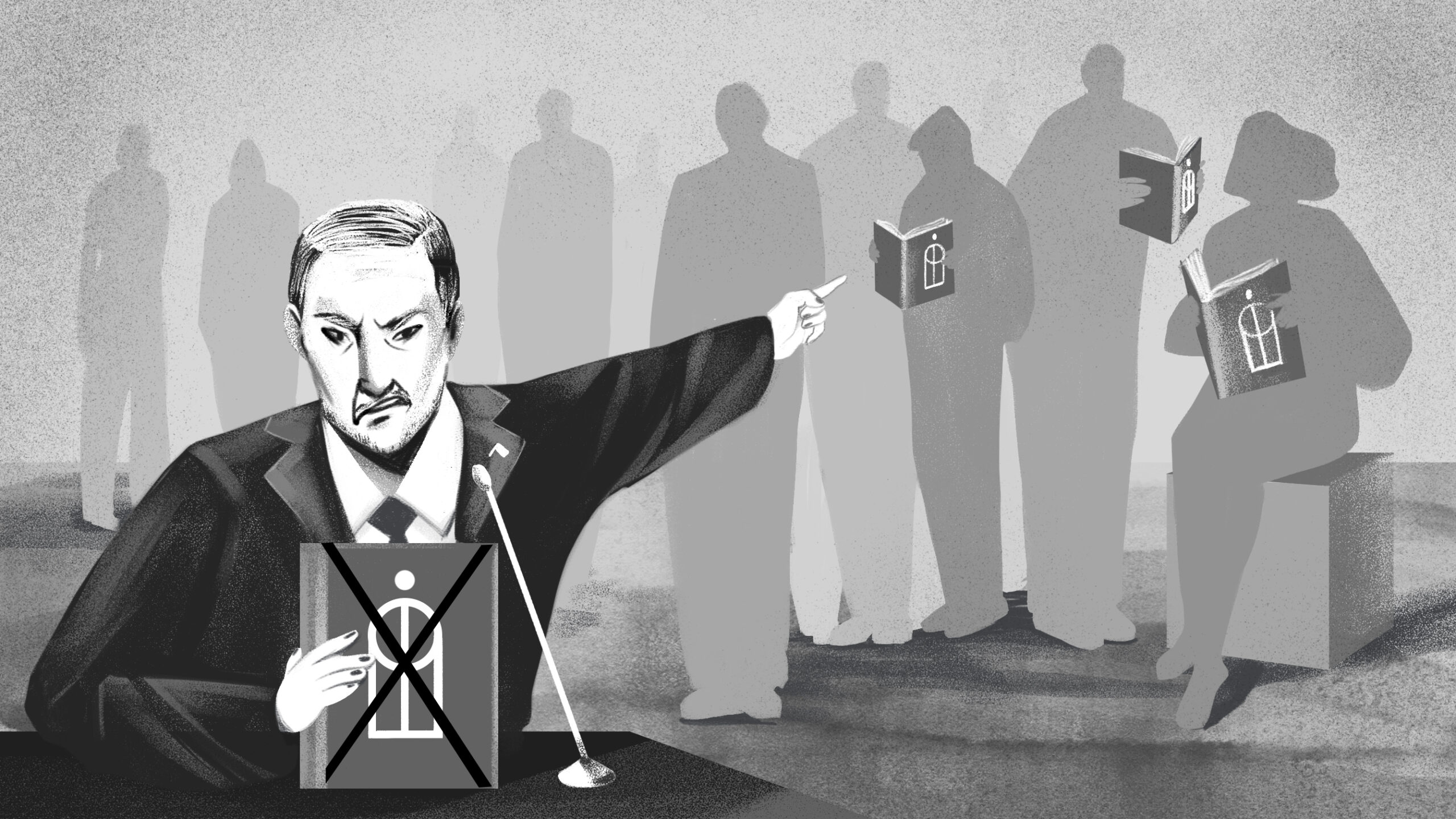
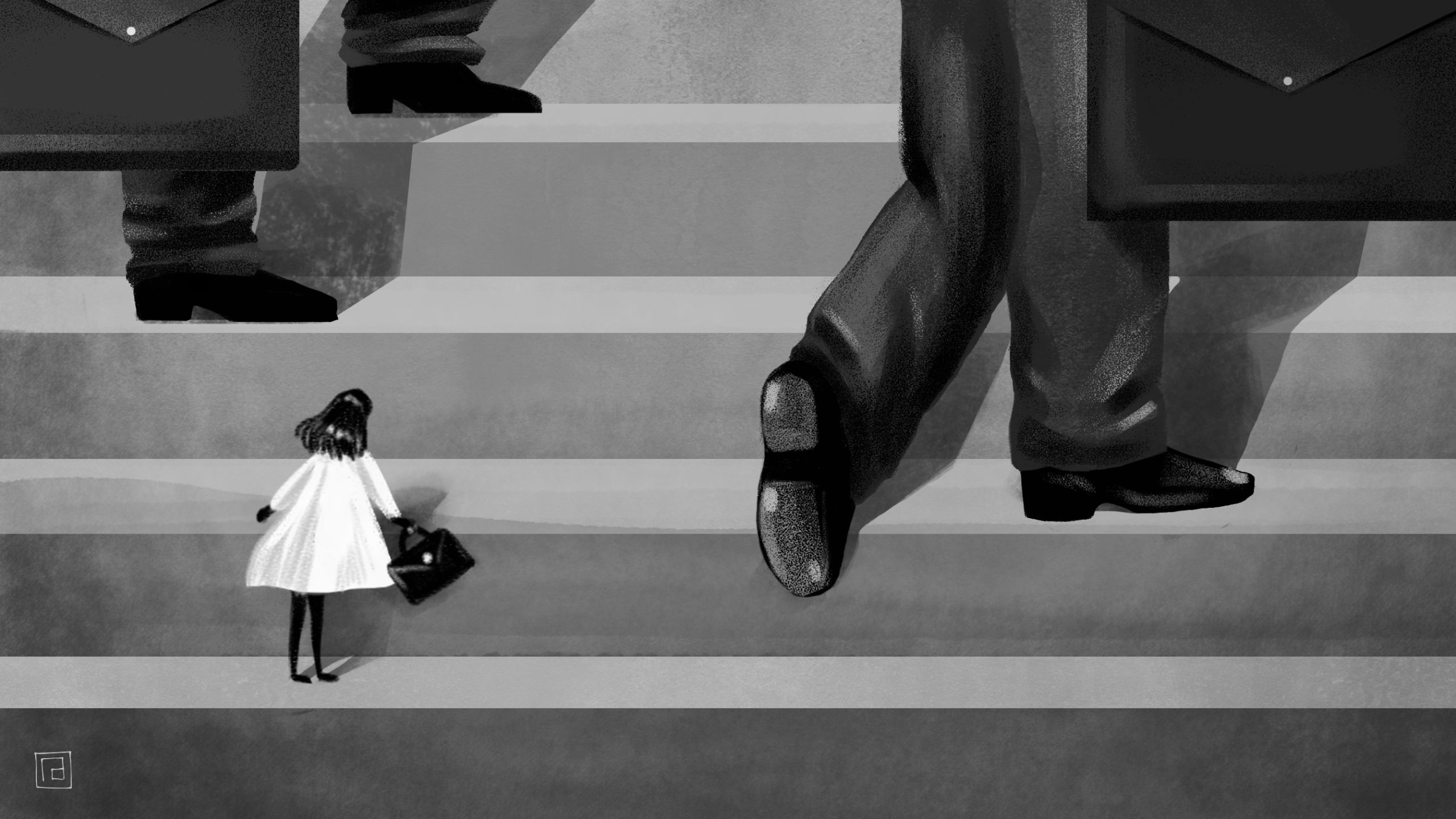
The Government of Kyrgyzstan tends to prohibit or limit methods of public education that are inconvenient for them. Credit: Alina Pechenkina

Political manipulation

Sometimes people in power advocate hatred to manipulate people for their own political benefit. It’s possible to overcome political manipulation by thinking critically about who benefits from one group being encouraged to hate another.

Children are not born with an understanding of stereotypes or prejudiced attitudes. They learn values and beliefs from their family, peers, teachers, the media, and others around them. People learn to hold negative ideas and attitudes to other people as they interact with others. In other words, people are taught to hate.

  • Which groups are you taught to hate in your society?
  • Who benefits from making people hate each other?

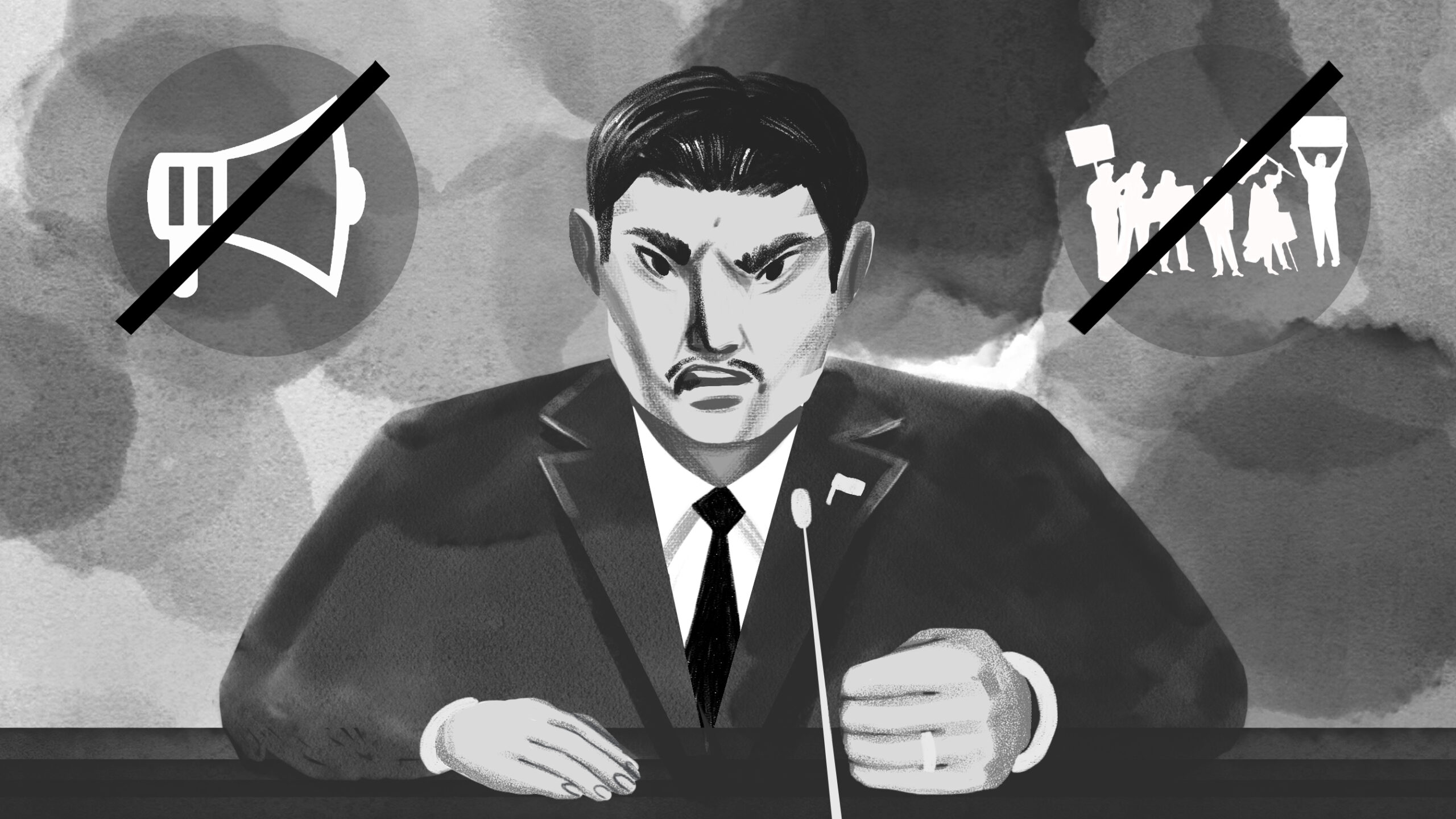
Due to frequent political challenges in our country, people often arrange rallies and marches for their rights, being thus inconvenient for the authorities. Credit: Alina Pechenkina

Scapegoating

One example of political manipulation is scapegoating. Political elites frequently exploit fear of others for their own personal gain. Scapegoating involves wrongly blaming a particular group, such as refugees and migrants, for problems a society faces.

    • Which group in your society is frequently blamed for social problems?
    • Can you identify a political group that might benefit from scapegoating that group?

In Kyrgyzstan, homeless people are often treated like the scum of society, being humiliated, despised and completely neglected. Credit: Alina Pechenkina

Dehumanisation

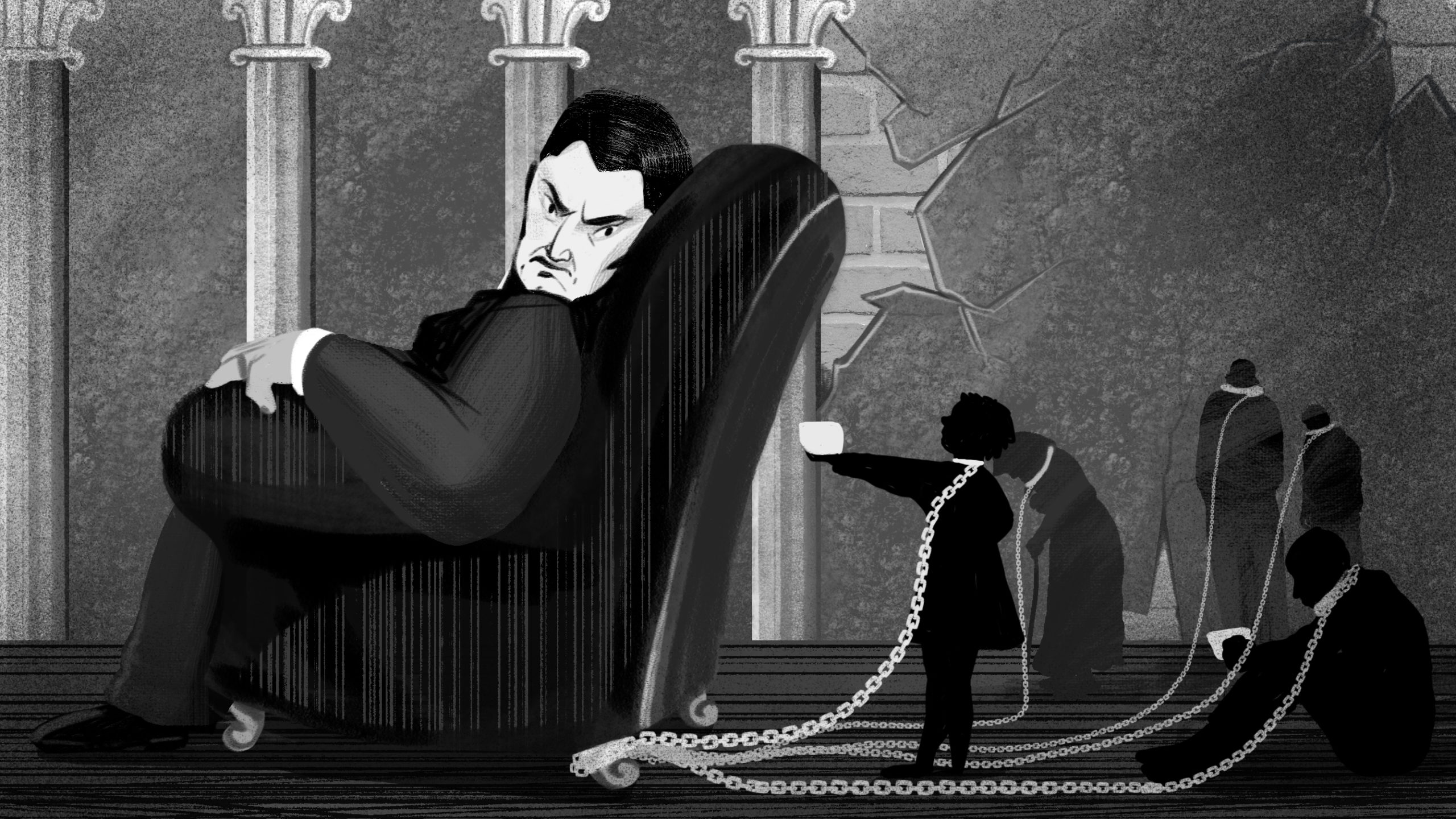
Dehumanisation is a process that strips people of their individual, human qualities to justify their differential treatment by those in positions of power. Dehumanisation seeks to create the impression, often in the minds of a majority or dominant group or their supporters, that another group, due to some common identifying characteristic, are somehow less human. Over time, narratives among the dominant group strip “the other” of their individual human qualities, treating “them” as a group only, denying each group member’s worth as individuals.

People dehumanise others through many different methods, but examples include equating a group of people that have a shared characteristic (e.g. their race or religion) with animals, vermin, or even disease. “Hate speech” can be instrumental in the process of dehumanisation.

  • Can you think of examples of dehumanisation?
  • How does dehumanisation affect the individual and society?

Media misrepresentations

People are generally averse to being violent and discriminatory towards others. By denying people their humanity, and treating them as “less human”, dehumanisation places “the other” group outside of normal moral codes and even blocks empathy towards them. This process can lead people to adopt feelings of intense hatred towards a group and beliefs that violence against is justified.

When amplified through mass media or social media as in the illustration above, dehumanisation can reach a larger audience, sow division and potentially incite people to engage in violence.

Historians, sociologists and psychologists have identified dehumanisation as a key step towards extreme violence and genocide.

We are exposed to these kinds of ideas all the time and they are common across all cultures and societies.

Prejudicial views, harmful stereotypes, processes of dehumanisation, discriminatory policies or behaviour or politically motivated scapegoating excludes entire groups of people and makes it harder for them to claim their rights or make their voices heard.

We all have the capacity to reflect on our own biases and how these may manifest in our expression and actions. Doing this can enable us to be more effective in challenging others’ prejudices, and make us more persuasive in speaking out to defend the rights of all people.

Can we stop “hate speech” through censorship?

It’s tempting to think that discrimination could be reduced if we simply banned or censored all “hate speech”.

But simply censoring all “hate speech” won’t deal with the root causes of hatred and discrimination. More importantly, censorship does not engage individuals who propagate hate, but shuts down debate and denies opportunities for exchange of ideas and experiences.

Moreover, broad laws to censor “hate speech” are frequently abused by people in positions in power, often to criminalise expression by marginalised and vulnerable groups who the law supposedly exists to protect.

If the root causes of hate arise from ignorance, we need education, debate and better media representation.

However, if the intent is to maintain systems of unequal power over other groups or to further a political agenda then we need to limit or protest against such speech accordingly.